


For many festivals or annual live events, the social media channels follow a similar pattern. Typically, they come alive as ticket sales launch, momentum builds in the weeks leading up to the festival itself, content output peaks during the festival weekend, and then everything goes quiet again for half of the year.
The issue with this is that audiences don't just disappear during that time, and now many festival marketers are catching on; neither do many of your competitors.
Social platforms are increasingly prioritising consistency of posting, which means that festivals that only "switch on" during event season risk losing momentum and audience connection. Building a festival audience on social media requires a steady drumbeat of content between events.
The festivals which will thrive in 2027 and beyond operate like year-round content engines. They need to balance two roles: event organiser and media brand. The event remains the product, but audiences now value having a community which exists all the time that they can keep returning to online, making them feel like they belong to something bigger. This means the subject matter needs to cover the culture, identity and history of the festival itself, not just the artists.
The shift to always-on festival marketing
Festival marketing has changed dramatically in the age of TikTok, Instagram Reels, and YouTube Shorts. With social media being increasingly creator-led, driven by short-form content, cultural moments and highly engaged communities. Audiences expect brands to be present in conversations year-round, rather than just popping up for a few months of the year when they want to sell you something.
For festival audiences, the event itself is only part of the appeal; they buy into a culture, community and identity which is always there. When the content is continuous, it helps nurture anticipation and loyalty from these emotionally attached audiences. By the time tickets go on sale, audiences should already have spent months interacting with your content, discussing line-up rumours, sharing memories and engaging with creators. The sale becomes the culmination of an ongoing conversation.
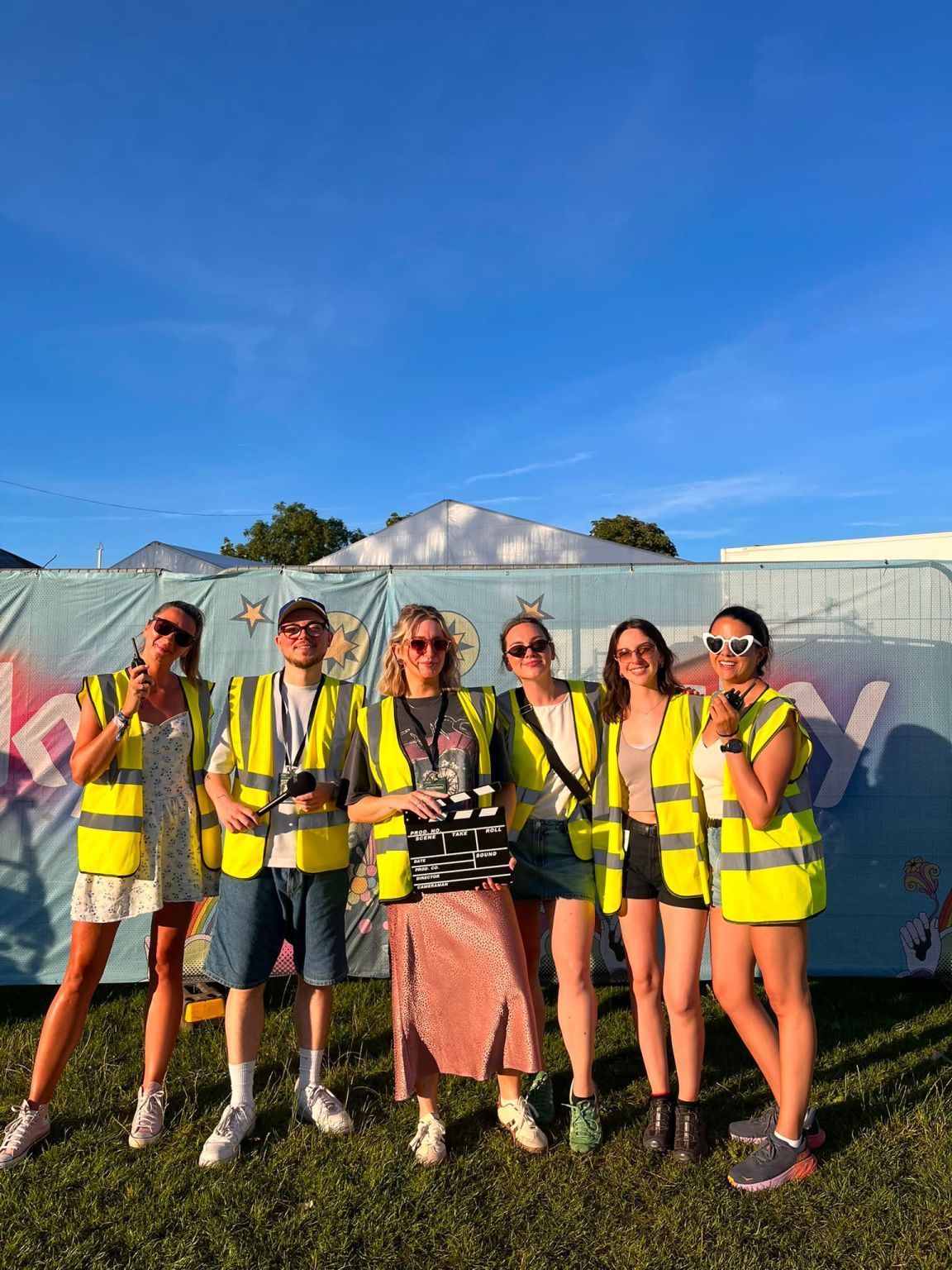
What year-round festival marketing actually looks like
Always-on festival marketing means creating a content strategy that keeps your festival relevant, visible and part of the conversation throughout the year. It is important that this activity doesn’t just focus on ticket launches or the festival weekend itself. Some ideas include artist anniversaries, line-up predictions, local stories, behind-the-scenes planning, sustainability initiatives or nostalgic throwbacks from previous years. These smaller "micro-moments" ensure there is always something new for audiences to connect with.
Making the most of line-up announcements
Looking for connections between acts, genres, eras or cultural moments can unlock more engaging content than treating every announcement as a standalone post. For example, a line-up featuring artists strongly associated with the 1990s or early 2000s creates an opportunity to tap into nostalgia-led conversations that many millennial audiences already engage with online.
Festival marketers should also pay attention to wider conversations surrounding artists, music genres and cultural trends. These external moments can provide fresh angles that keep the festival relevant and part of broader discussions throughout the year.
Festival production and behind-the-scenes
Some of the most engaging festival content isn't artist-related at all. Audiences are often fascinated by the sheer scale of festival production. The arrival of infrastructure, stages taking shape, signage being installed and teams transforming an empty field into a live event all help build anticipation. For festivals with a strong visual identity, these moments give audiences a behind-the-scenes view of the experience they're buying into, not just the line-up they're paying to see.
Year-round creator partnerships
There is also an opportunity to extend creator partnerships beyond the event itself helping the festival tap into new audiences well before selling tickets for the following year. Community-building is equally important. Polls, fan spotlights, audience questions, throwback content and user-generated content all provide opportunities for fan interaction and a sense of belonging.
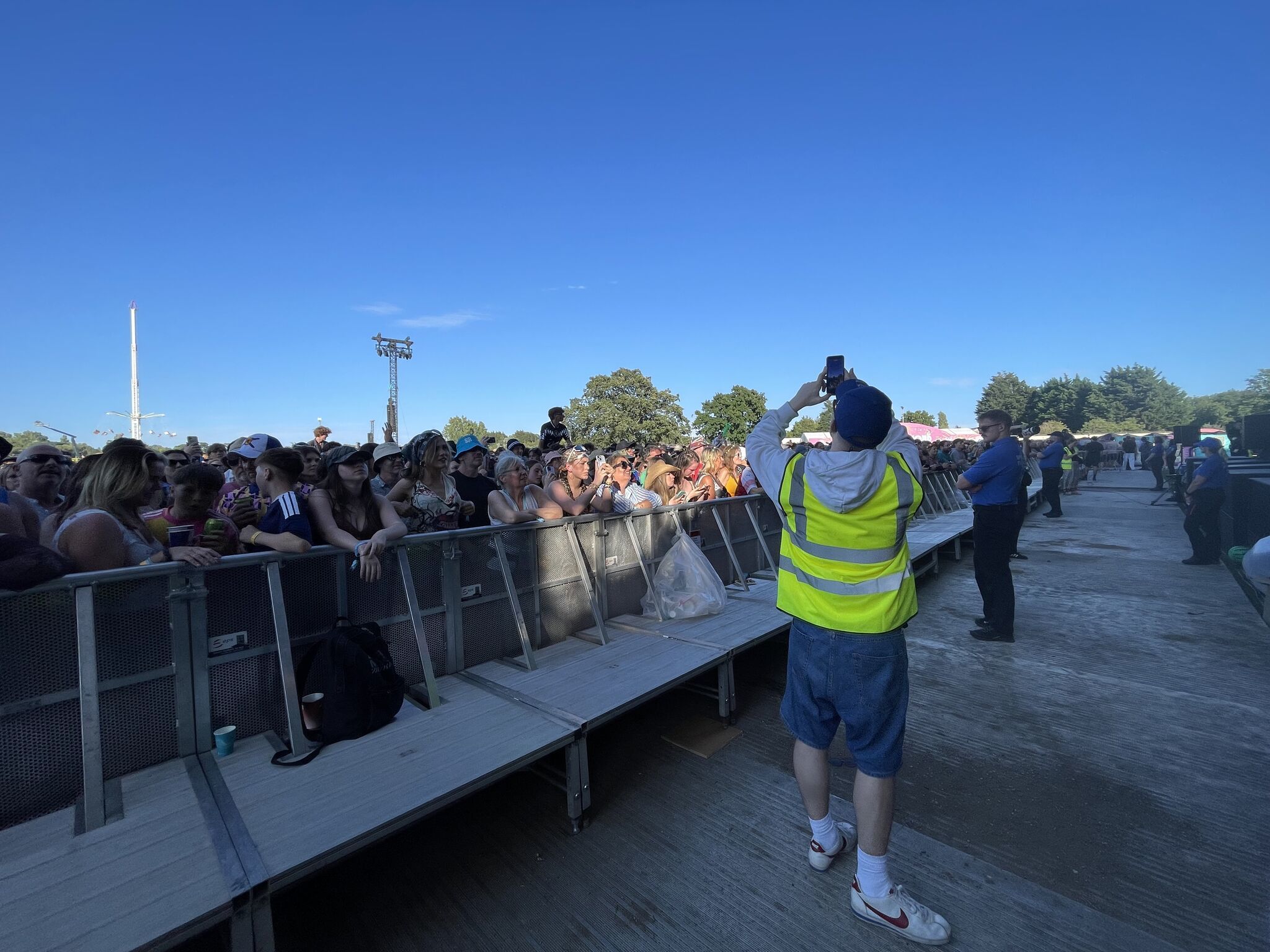
Why content capture can't just happen during event week
The practical reason that cramming content capture into one weekend will be challenging is time limitations, tight schedules and operational complexity. Some of the most valuable stories happen before and after the event anyway, such as artist announcements and behind-the-scenes festival preparation.
Equally important is capturing content with a longer shelf life. While live coverage is essential, festivals should also be identifying and documenting the moments that make the event unique. These could be memorable crowd reactions, iconic visual elements, community stories, behind-the-scenes moments or creator content that continues to resonate long after the festival has ended.
This is often the content that keeps people talking about the festival once they've returned home. For festivals that launch pre-sale campaigns quickly after the event, a strong bank of evergreen content helps keep excitement high, reinforces what makes the festival special and gives audiences a reason to commit to next year's tickets while the experience is still fresh in their minds.
Building a 365-day festival content engine
Format and content diversity will ensure there is enough to work with. Defining core content pillars that can sustain activity throughout the year is a good starting point. These can include:
Music: Artist stories, playlists, live performances and industry trends.
Culture: Fashion, lifestyle, food, wellbeing and wider cultural conversations relevant to the audience.
Community: Celebrating fans, attendees, volunteers and local partners.
Nostalgia: Iconic performances, archive footage and memorable festival moments.
Creators: Collaborations with influencers, content creators and ambassadors.
Sustainability: Environmental initiatives, community impact and positive change.
Local stories: Highlighting the people, places and businesses connected to the festival.
Not every festival needs every content pillar. The most important thing is identifying the themes that genuinely fit your audience and can be sustained throughout the year.
Predictive planning is another important part of an always-on strategy. By mapping key moments across the year, from award shows and music releases to seasonal trends and cultural events, festivals can proactively create content rather than constantly reacting.
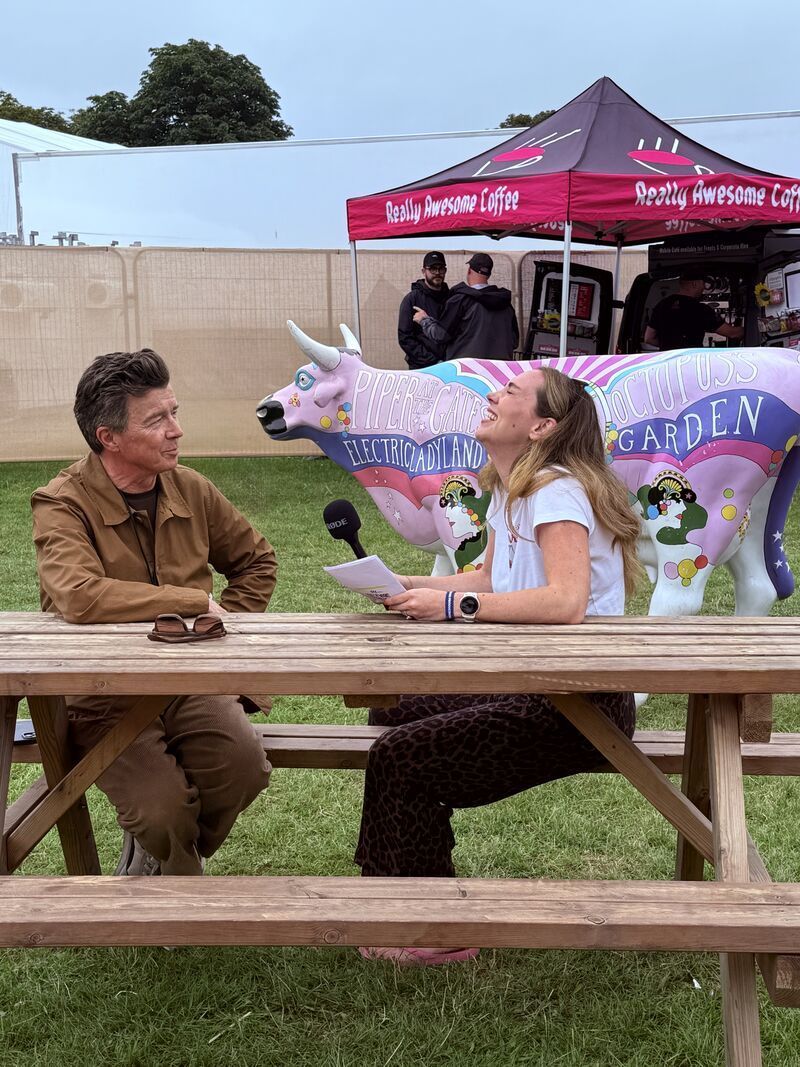
Make your festival instantly recognisable
One challenge during peak festival season is that social content can quickly become interchangeable. A crowd shot, stage clip or artist performance can easily look like it came from dozens of other events. The strongest festival brands create a visual identity that is recognisable regardless of the content format.
This consistency should extend across ticketing assets, social content, artist announcements, creator collaborations and on-site design. Distinctive colours, typography, creative styles, locations and recurring visual motifs help audiences immediately recognise the festival and build stronger brand recall over time.
When content lacks obvious visual branding, simple additions such as captions, overlays, tags or hashtags can also help reinforce attribution and make it clear which festival audiences are engaging with.
Turning engagement into ticket sales
The commercial value of a continuous content strategy is that it creates stronger familiarity, trust and consideration, so when tickets go on sale, there is a highly engaged audience ready to buy.
An always-on approach also provides a valuable source of first-party audience data.
Engagement across social channels can fuel retargeting campaigns, support audience segmentation and improve the effectiveness of paid media. Combined with strong CRM activity, festivals can nurture potential attendees through a journey that moves from discovery to engagement, loyalty and ultimately ticket purchase.
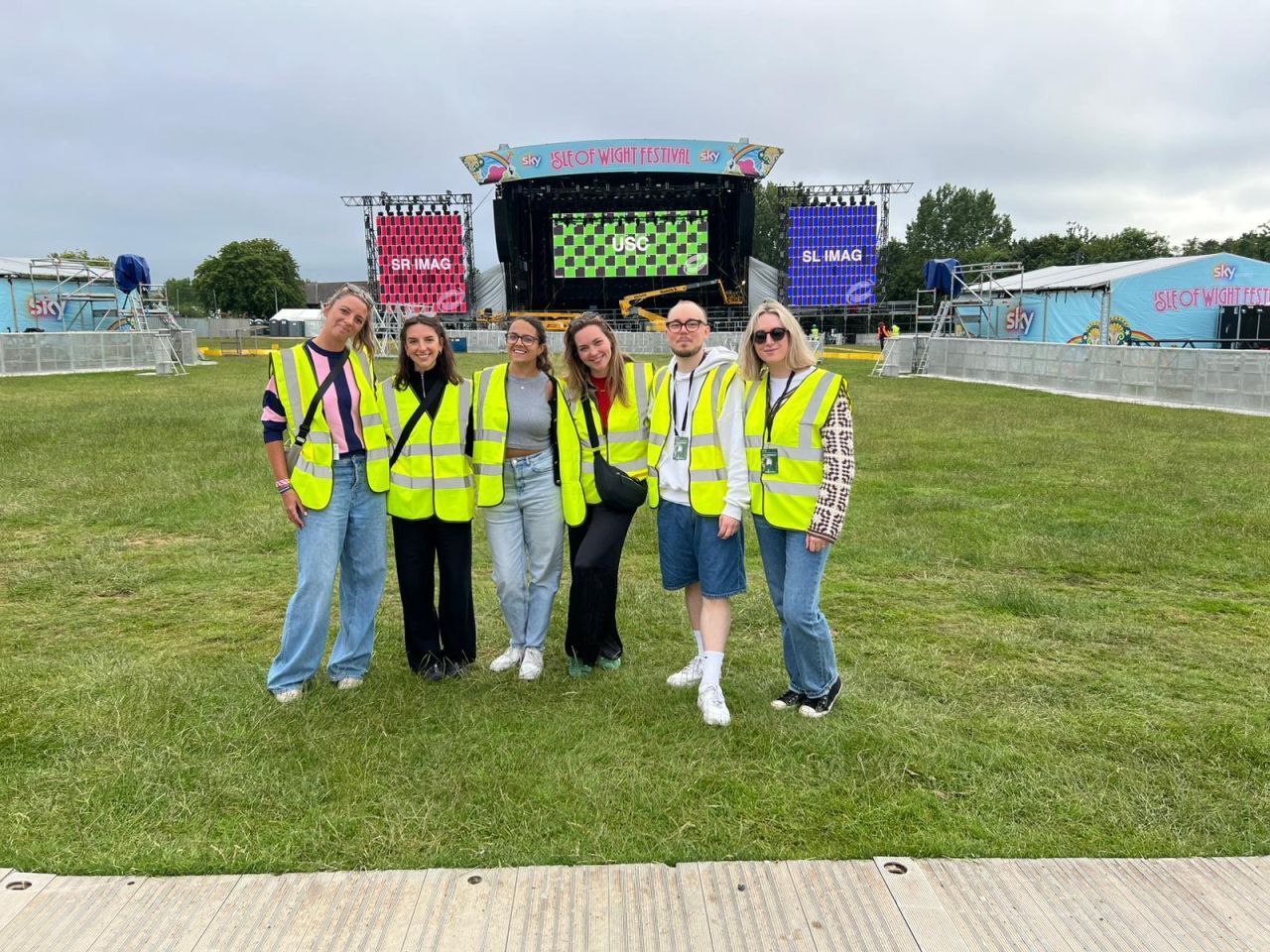
Case study: How MTM built a year-round audience for Isle of Wight Festival
For the Isle of Wight Festival, MTM’s social strategy focused on giving audiences reasons to engage with the festival throughout the year. By building content around shared memories, cultural moments and community experiences, the festival remained relevant between event cycles and strengthened its connection with both existing and future attendees.
The whole idea was of “cyclical nostalgia”, which entailed helping audiences reconnect with the excitement they felt attending their first concerts and festivals with their parents, while creating a desire to recreate those experiences with their own children today.
The approach was heavily influenced by the line-up. Artists such as Five, Anastacia, Rick Astley, KT Tunstall, Ash and The Cure represented a powerful source of nostalgia for many millennial festival-goers, so we leaned into storytelling around childhood and adolescence. This looked like playground culture references like ‘fortune tellers’, cassette players and bedroom wall posters.
At the same time, the festival wanted to attract younger audiences, so we expanded into TikTok, short-form video and meme-led content inspired by popular culture and festival life.
What other festivals can learn from Isle of Wight Festival's always-on approach
One thing we've consistently seen with Isle of Wight Festival is that audiences engage with far more than the line-up alone. They love the culture, identity and experience surrounding the festival itself, and this world-building requires a year-round approach. In this vein, consistency almost always beats volume. You don't need to post a dozen times a week all year round, but once a week is enough to maintain that steady drumbeat of relevance, and that certainly beats a flurry of activity followed by months of silence.
This approach helps build an engaged audience, momentum towards ticket launches, and something that people feel a part of, rather than being sold to. Creator partnerships and UGC also contribute to this. Festivals that empower their communities to contribute content often achieve greater reach, stronger engagement and increased cultural relevance.
Looking at your festival social media strategy for 2027?
At MTM, we've seen first-hand how year-round social activity helps festivals maintain momentum between events and build stronger demand when tickets go on sale. If you're looking at your festival strategy for 2027, our team can help identify the content, creator and community opportunities that will keep audiences engaged beyond event season. Talk to us today.